

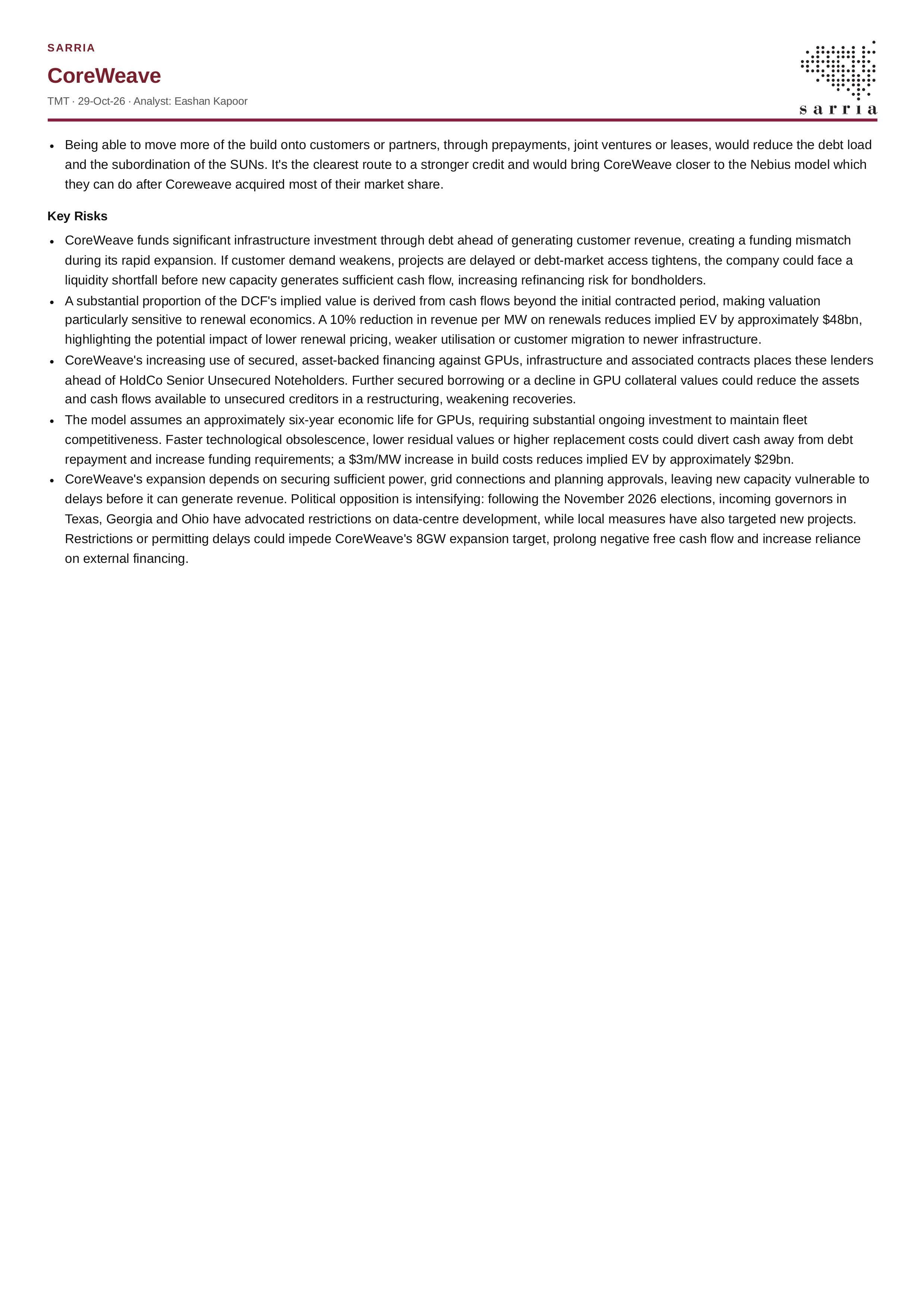
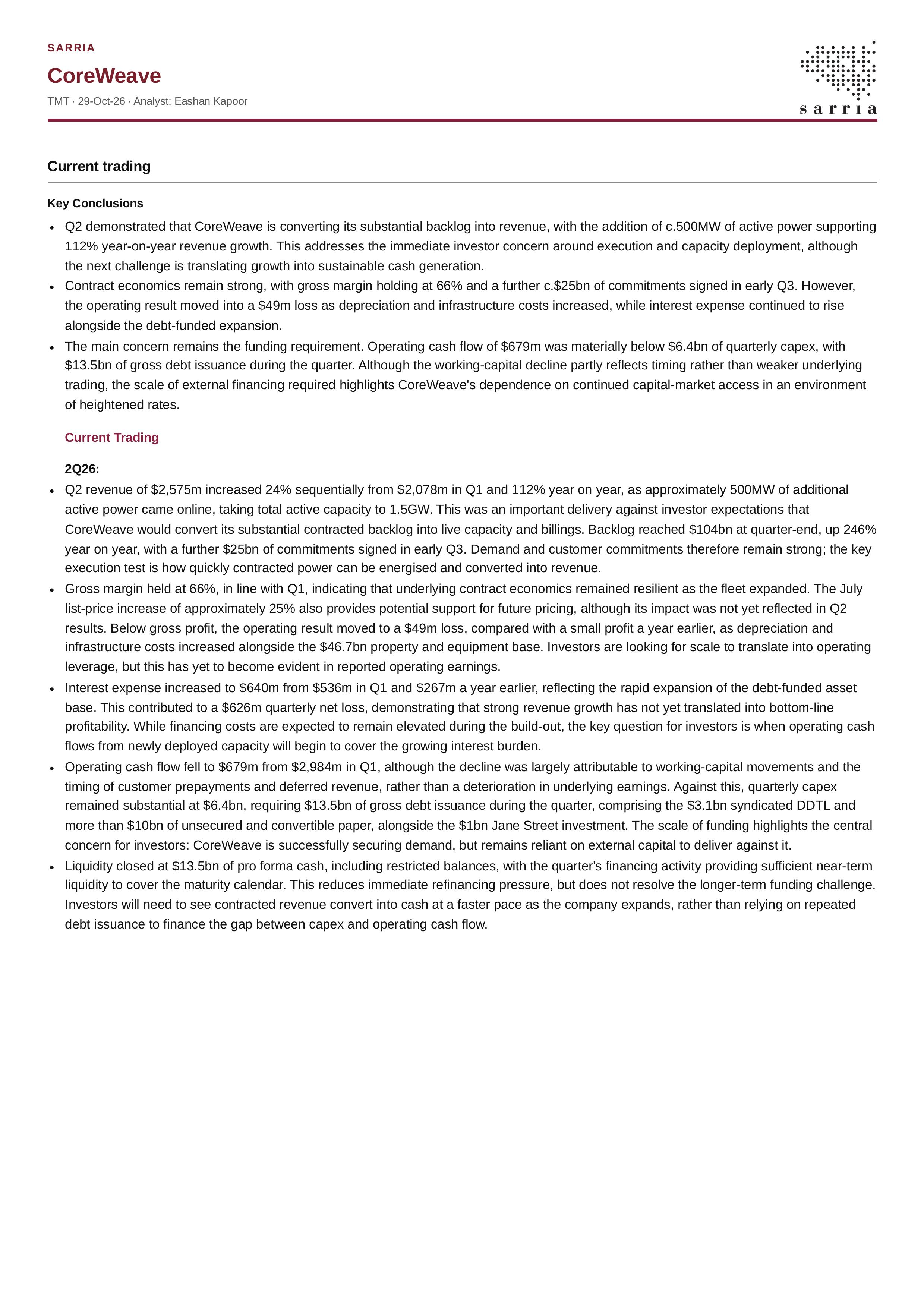
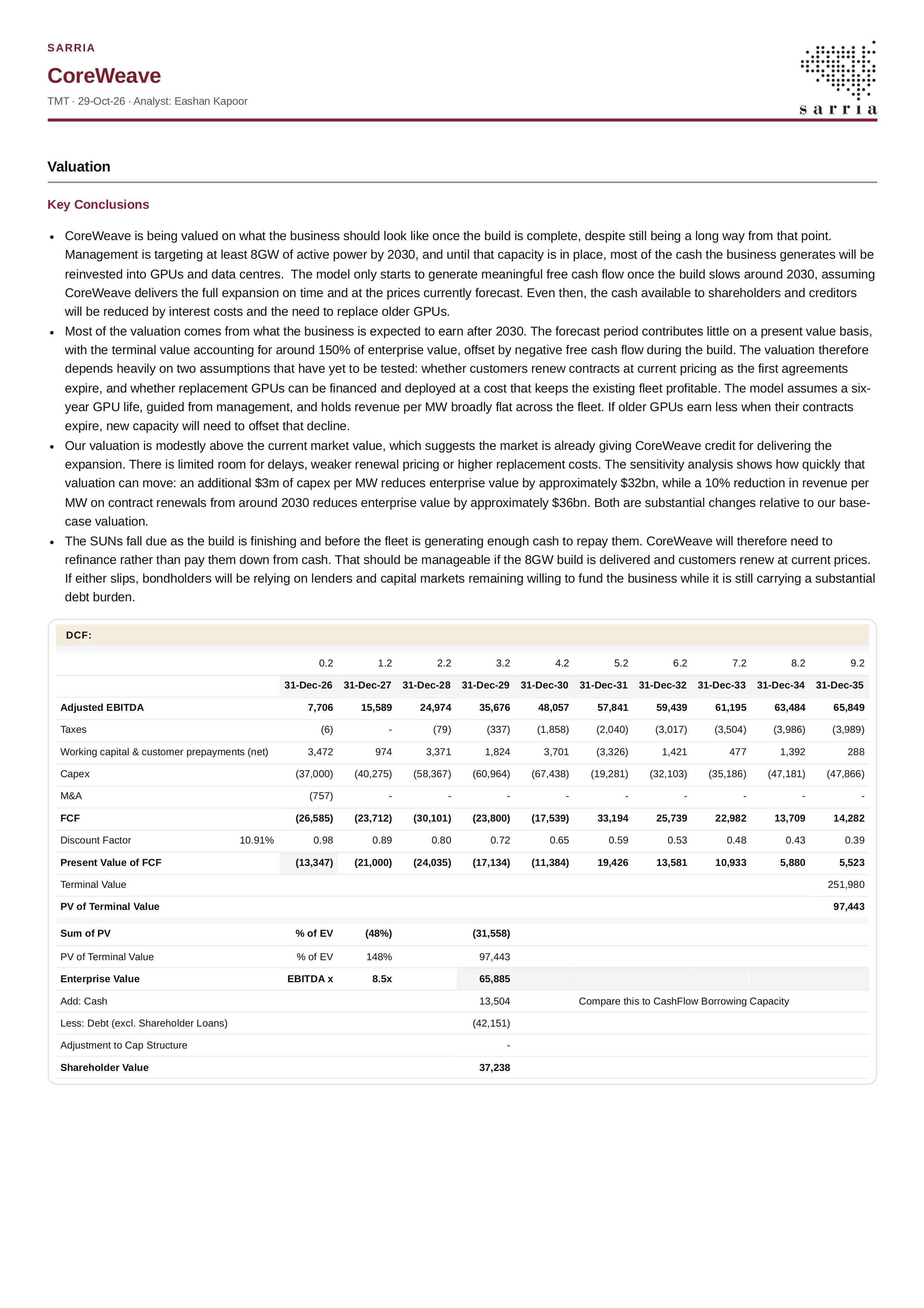
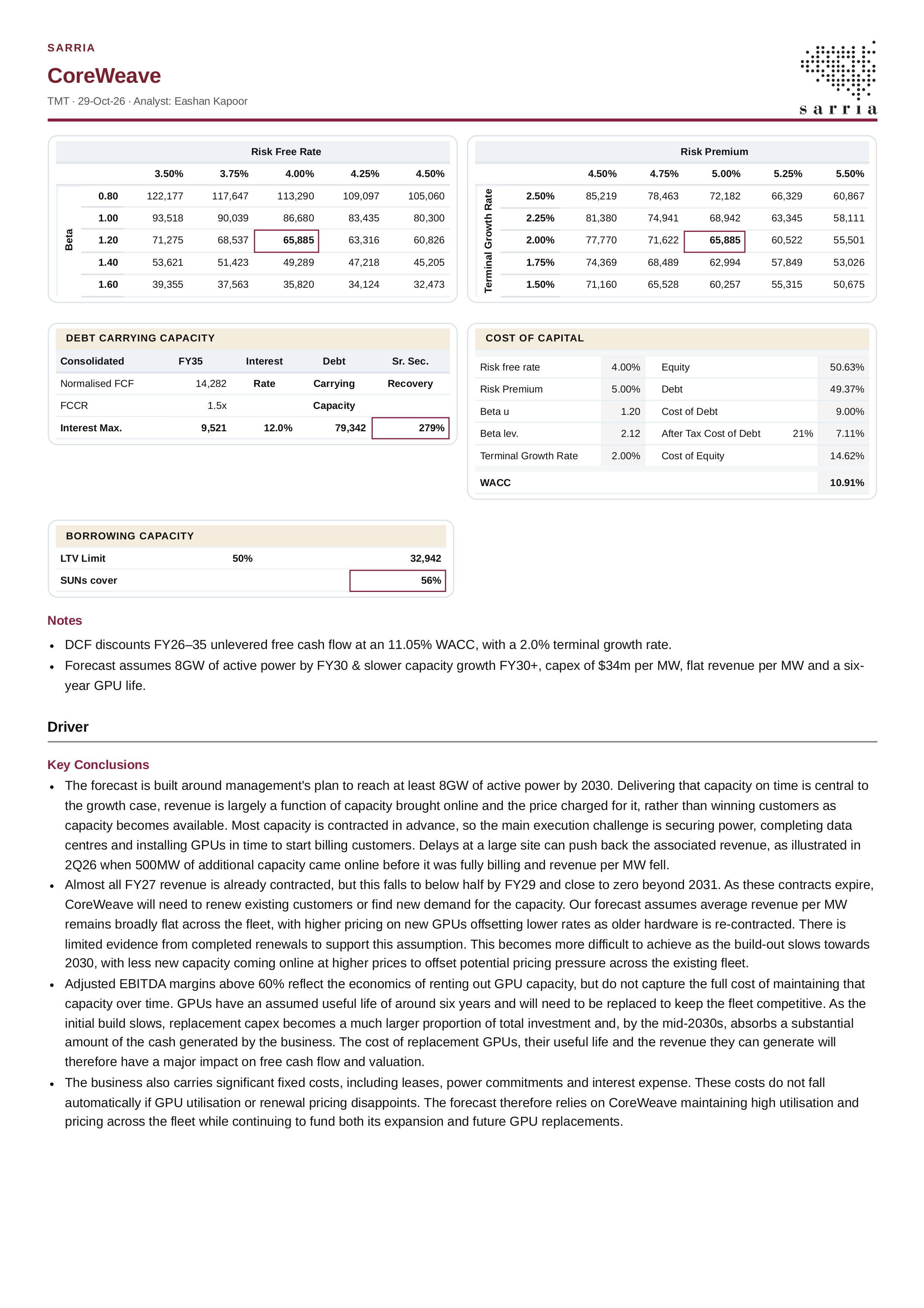

SARRIA News -INTU___LZSettings_N4IgpgdghgRgNmAMlAXgTxALgGZTgZzABoQ84BRAN0gBd8tcDiQBLGsAW3wEkIAlAPYB3LAGYSNWAhoBhAXACuHCPUwAmCVLA0A4gprsATljUAGEhwEwWCOYuWqArBas2weg2GOZzIOAKgAEwBBODgAeUMABSgAcwY8QhJ-IJjYsABlFhQwLAAWEiFDKAAHbnYuAHU2AAtEFggAawSmEnwBQxoMpQ4oQzRyzlUQCAEAWnbOkDaa4QyavrAAIX0aARUsEYF5xemQGFX1ngBjddCWWIgOWk3j2i89g4Mj7lOILJzN-F6wx8OVV7rOwdTbwKDHZokJ5rAFvDI0NAIL4ARwUizGMA6gQeJCCgRkUBoABU4jI4FB8IRhqMILkSKcwmBjjQWOsAKqGOCbAD0+D6hhYFLGtKE+DG2H8IhIkC0yHQSwEgQwmBohgUzAZCGZrIg3ECm0cx0cUCgAA5jmo8gBGACcZjUAHYAGyBO02mA2sAwPbY-AXCCbOAsfA0PY1MBBLxEsAAD1DmBAGWCfD43GCAAIAHJgUXpsbcTNEtl7dhxj65BPXQIsJR7EpxTLZCvOVi9dLBfAlJk0PiE1mbYL6AR7BlKCDVQI0GpiRy+WKrB6YJ2+IMh7htxufdQr4M0dcN86Xa4QeN+MDYUNtIO+qJeQQiTAt0s0Q9XG4JhAXvb4WZCIlsJEVTVZgf2EIkaiUGBoBsLBVXVGZhHIGM7kMEp4zgkDfz4CNAgAWQ6JAGmaHBEkw4QogFO5YOAkgSkMRUFGZABFBQWAhAA1Fgc3IaB4DAfUSNaEBQKEGIQ0iNkSlODgGliKhaGGBQpIEGSIHiCxtCCQkoCiAQ-RZdZQTASUxhZGgkVogVen6XDNMCbTNns9hvyZdZ7JsuyHITKB9FmYwSGwGwjCwUBJHiBMZHCPhyEqchgnY8gQAAX1xIcZHokpqPgvwLhqGhMRjFokhAGSY34uQT3fDCoX8CE9U2PIbTyGAYDUKA1FNURAjUNRuuOGAwC6vZsHkSUMgEBRDDuDkuSA7LVSgFQRsMLgQpAejJAMgNMFAFA1soPB1SwXwFAgNhHLAeIkpS4TjjwCtQEKnaQAOxQKytUwTrO08AFJkpIZVQFeo7MA+r7zoTP7rpIAR62ONhAZew73s+khTohkAoZh7BsEIeNHv25HjrR77NhKQqbsR4GK3B09yeSm6OguBo1qeoGicfWnNixkAqY52cSYxqGbvwRoc1Zwm3uJkB0dPbEroByWQa5hN5YZm7FpYXottUABtABdEhDAjOAllqxp6oTeABAhMZRFNZ0cccQI8mwQ1HFEG0nTyI0rWSoA
